
Tag: Astrocyte
-

New Peer-Reviewed Research Paper: Protecting Overlooked Cells as a New Approach to Parkinson’s
10th of July 2026; Cambridge, UK A translational study published in Experimental Neurology suggests a new experimental therapeutic approach to slowing down Parkinson’s disease progression. The work, led by the University of Cambridge and its spinout Cellestial Health, in collaboration with the University of Manchester among others, shows that communication channels connecting astrocytes – a type of brain cells – break…
-

Something Different at BioTrinity
The CEO of Cellestial Health Dr Nat Hastings put the usual polished business pitch aside at the BioUK‘s BioTrinity 2026 to discuss an important topic: Whether there is a scientific and economic rationale for viewing the brain as a collection of neurones and synapses. Decades of research demonstrate that:✦ Brain consists of many essential cell…
-

One Nucleus Awards Gala
Last Thursday 19th of March brought the UK-wide life sciences ecosystem leaders together for a very special occasion of the #ONAwards26 celebration at No.11 Cavendish Square in London. It was a great honour to have the project between Cellestial and The University of Manchester, supported by a Parkinson’s UK grant, recognised as one of the finalist entries in the “Best Industry and…
-
Back at it again in Boston
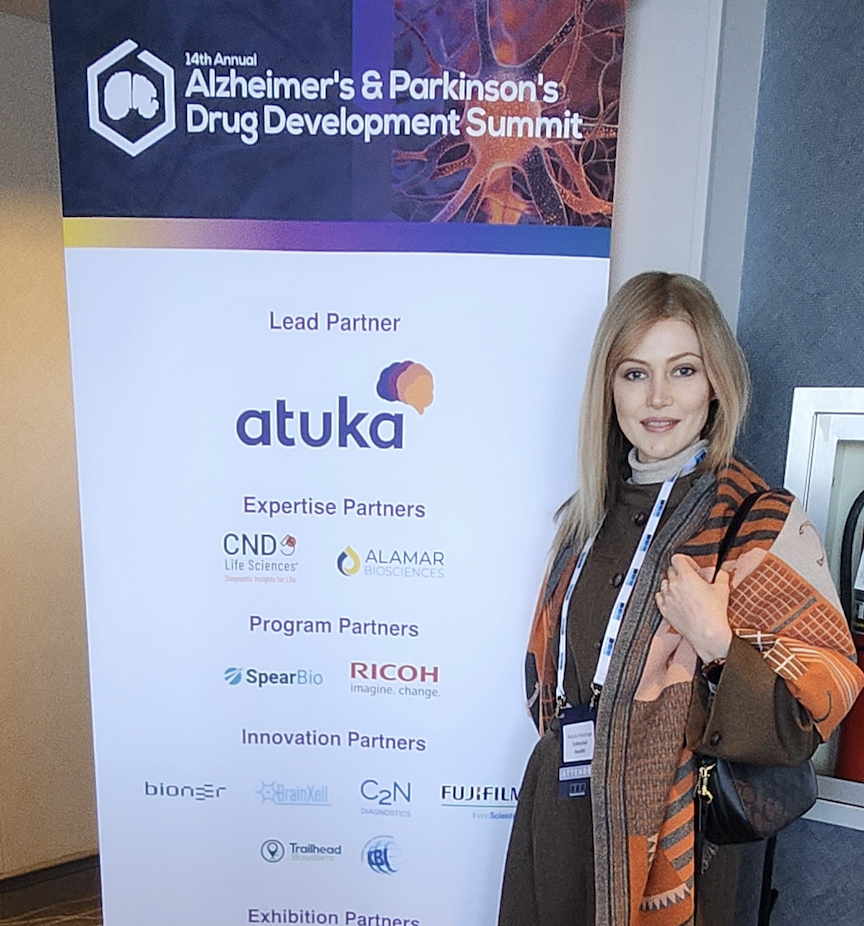
This week, Dr Nat Hastings represented innovative research into astrocyte pathology in Parkinson’s at the 14th Alzheimer’s & Parkinson’s Drug Development Summit on behalf of Cellestial Health at Hyatt Regency Boston Harbor. Astrocytic lineage is one of the most populous cell types in the brain, yet the damage Parkinson’s pathology does to it remains underappreciated.…
-

Parkinson’s UK: Further Funding for Pioneering Approach
Parkinson’s UK awarded Cellestial Health £55,000 to continue exploring networks of brain cells that may hold answers for new treatments for Parkinson’s. There are many different types of cells in the brain. We know that in Parkinson’s, brain cells that produce dopamine become damaged and start to die over time. However, it’s possible that other…
-

Grand Reveal: Cellestial exhibit at the Cambridge Grand Arcade
Think brain = neurons? Learn about their partner network with our new art installation as part of the #GrandDiscoveries campaign. 🌟 What: Cellestial exhibit featuring astrocytic and neuronal networks 📍 Where: Grand Arcade, St Andrew’s St, Cambridge, CB2 3BJ ⏳ When: 24th of July until 25th of September Follow the Trail Map of Grand Cambridge…
-
New Paper: Connexin43 is Downregulated in Human Parkinson’s
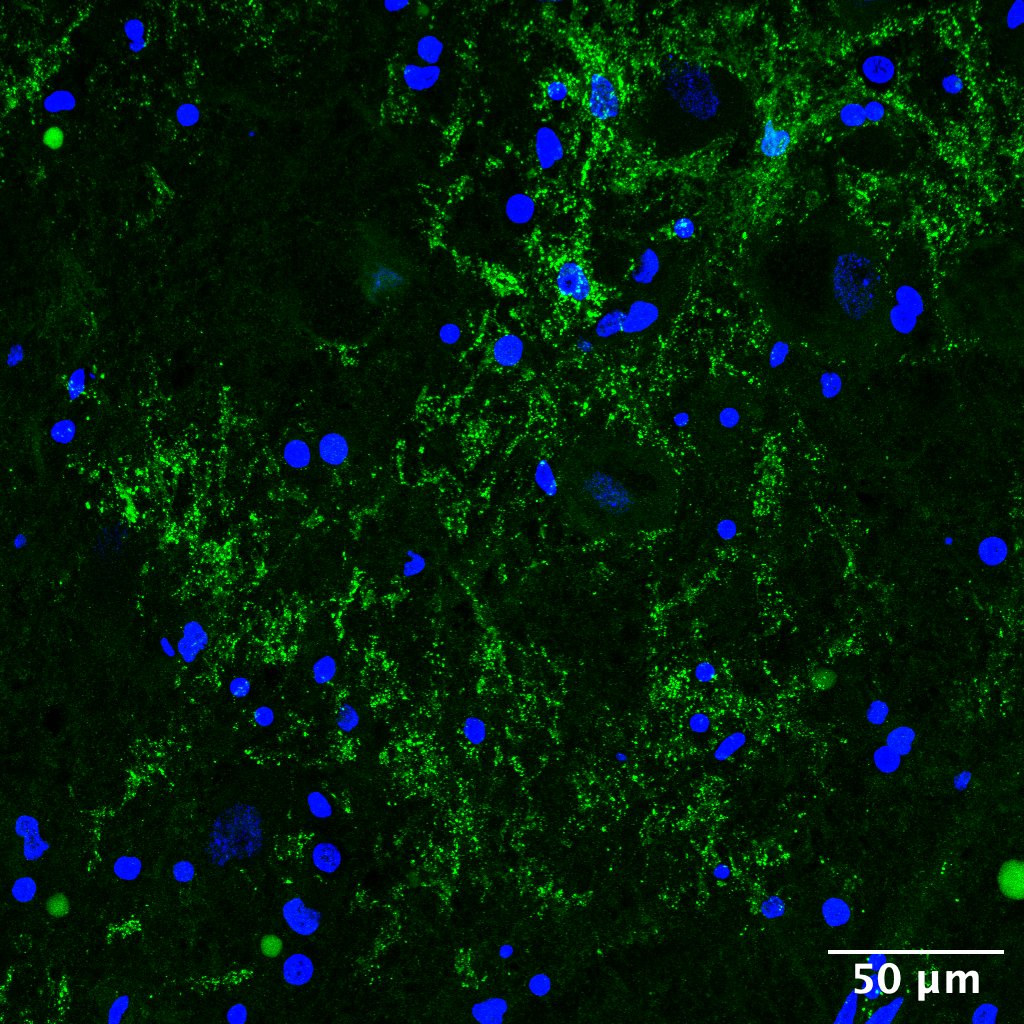
Translational research often commences in various models – cells, rodents, slice cultures.. But results from all of these rest on an 𝙖𝙨𝙨𝙪𝙢𝙥𝙩𝙞𝙤𝙣 that the underlying cause of the human disease is correctly replicated in the chosen model. There is no single easy way to prove this assumption, especially in a complex and often multi-factorial condition…
-
Astrocyte Transplantation as an Alternative to Drugs?
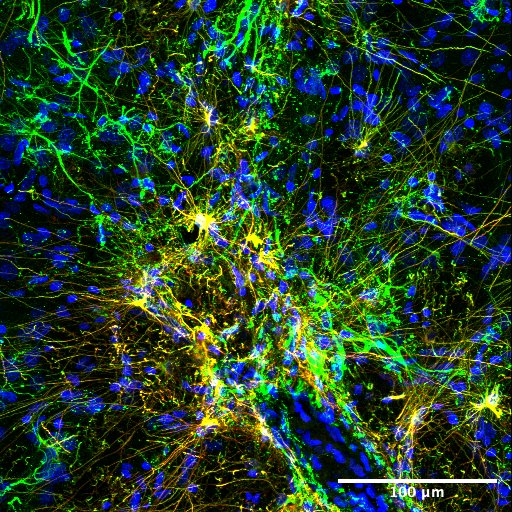
There are many ways to protect astrocytic networks. Drugs can work well, with a major caveat – they rely on the drug target being available. If cells are irreparably lost or damaged, it could be that the only way to restore the network balance is by supplying new, healthy cells. Dr Nat Hastings explored the…
-

Astrocytes: Equally Important yet Diverse
Are all astrocytes the same in Parkinson’s? Astrocytes represent a brain cell type that is found across all areas of the brain. Depending on the region, they comprise 1/3rd – 2/3rds of all cells, and network coupling is an important feature of all astrocytes. However, multiple differences have been noted among astrocytic populations, both within…
-

Zinc VC and Cellestial Health: Pioneering Brain Therapeutics
How the vision of Zinc VC aligns with the mission of Cellestial Health to pioneer new brain therapeutics and improve global health equity? Find out in the new blog and press-release: https://www.zinc.vc/blog/introducing-cellestial-health-pioneering-novel-therapeutics-for-brain-disorders https://www.linkedin.com/posts/zincvc_introducing-cellestial-health-pioneering-activity-7270742302254415873-trXT