
Tag: Research
-

CRL Science Day: There is No Such Thing as a Model of Parkinson’s
On Wednesday 24th of September Dr Nat Hastings presented at the Charles River Labs Science Day at Chesterford Research Park on a topic that is relevant to Cellestial’s drug development activities and which stirred many discussions – there is no such things as a model of Parkinson’s disease. What does that mean, when many so-called…
-

Parkinson’s UK: Further Funding for Pioneering Approach
Parkinson’s UK awarded Cellestial Health £55,000 to continue exploring networks of brain cells that may hold answers for new treatments for Parkinson’s. There are many different types of cells in the brain. We know that in Parkinson’s, brain cells that produce dopamine become damaged and start to die over time. However, it’s possible that other…
-
Topic in Spotlight: Brain Delivery
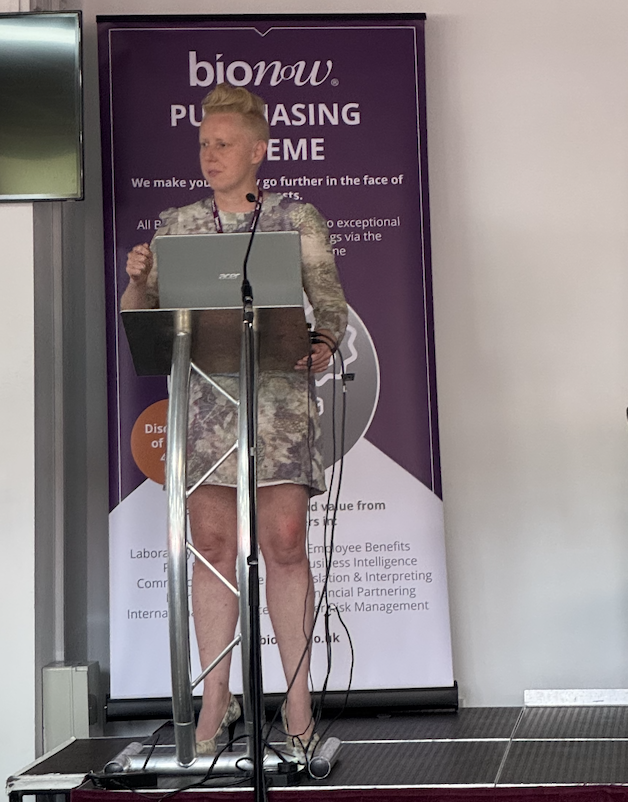
A drug has to be efficacious, safe, and potent – but first of all, it has to get to the right place. On Thursday 10th of July, the Formulation Adviser to Cellestial Health, Prof Claire Thompson of Agility Life Sciences, presented on the topic of formulation choice for proof-of-concept studies in Parkinson’s models at the Bionow…
-
New Paper: Connexin43 is Downregulated in Human Parkinson’s
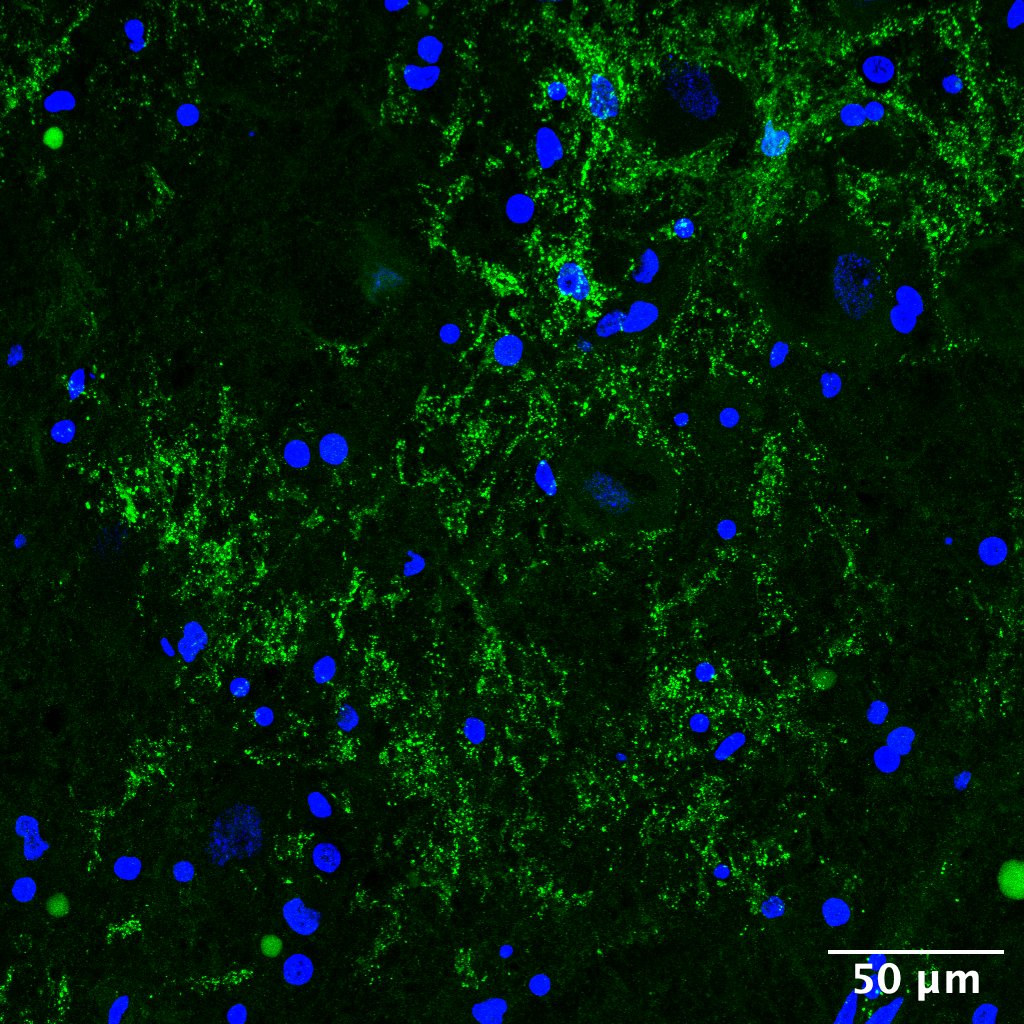
Translational research often commences in various models – cells, rodents, slice cultures.. But results from all of these rest on an 𝙖𝙨𝙨𝙪𝙢𝙥𝙩𝙞𝙤𝙣 that the underlying cause of the human disease is correctly replicated in the chosen model. There is no single easy way to prove this assumption, especially in a complex and often multi-factorial condition…
-

Making it Happen: a Path to Commercialisation
What does it take to successfully commercialise healthcare innovation? Excellent science is key, but it is not enough. Many factors must converge for a therapeutic discovery to find its way to practical applications: Dr Chloe Hall spoke with Dr Nat Hastings about translatability of Parkinson’s models and specific challenges that emerging companies face in this…
-
Astrocyte Transplantation as an Alternative to Drugs?
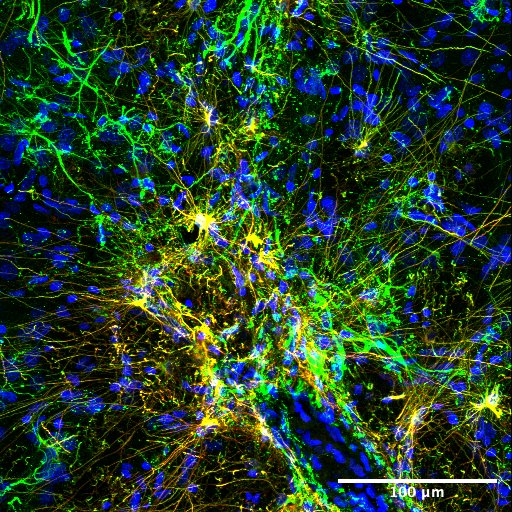
There are many ways to protect astrocytic networks. Drugs can work well, with a major caveat – they rely on the drug target being available. If cells are irreparably lost or damaged, it could be that the only way to restore the network balance is by supplying new, healthy cells. Dr Nat Hastings explored the…
-

Stronger Together: Collaborative Approach with the University of Manchester
Cellestial Health is a spin-out from the University of Cambridge, but did you know that we have academic collaborations across the UK and globally – including with the University of Manchester. Our connection with Manchester started in the summer 2024 at the Innovation Lab event which welcomed four industry partners to team up with the…
-

Astrocytes: Equally Important yet Diverse
Are all astrocytes the same in Parkinson’s? Astrocytes represent a brain cell type that is found across all areas of the brain. Depending on the region, they comprise 1/3rd – 2/3rds of all cells, and network coupling is an important feature of all astrocytes. However, multiple differences have been noted among astrocytic populations, both within…
-

Celebrating Successes in Translational Research at Cambridge
Cambridge Academy of Therapeutic Sciences features the story of the founder of Cellestial Health, Dr Nat Hastings, as a translational researcher at the University of Cambridge in the latest Accelerating Translation report. This work formed valuable background IP which supported the spin-off of Cellestial. Celebrate our and our colleagues’ successes and find out which challenges…