
Tag: Research
-
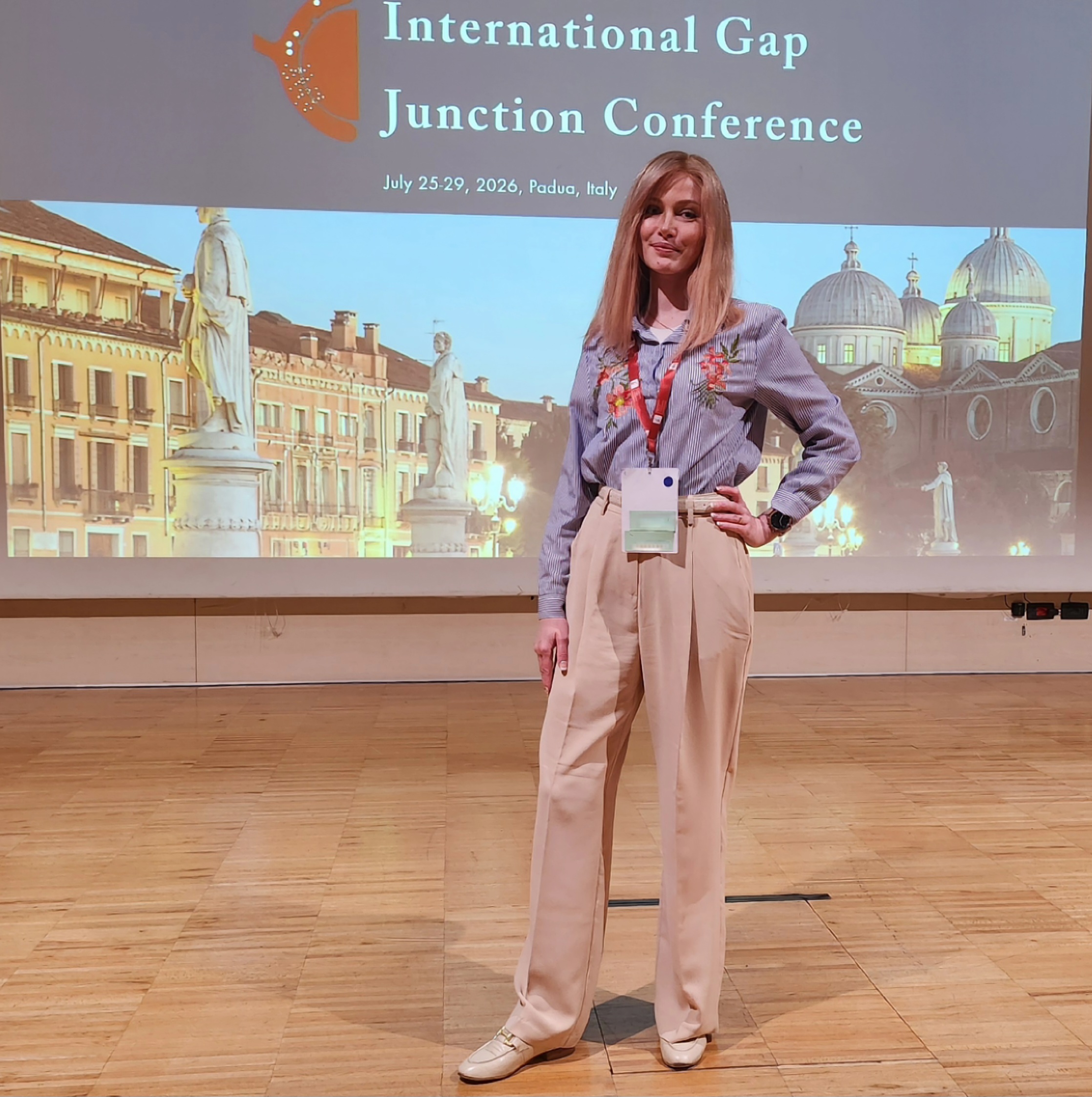
IGJC 2026: What Heals the Mind, Heals the Heart Also
On 25-29th of July 2026, a world-leading group of experts in gap junctional biology came together in the halls of the historic University of Padua, Italy, at the International Gap Junction Conference. Over the course of five days, the discussions spanned from the nanoscales of ion channel opening probabilities to clinical symptoms. The physiology and pathology of connexins –…
-

New Peer-Reviewed Research Paper: Protecting Overlooked Cells as a New Approach to Parkinson’s
10th of July 2026; Cambridge, UK A translational study published in Experimental Neurology suggests a new experimental therapeutic approach to slowing down Parkinson’s disease progression. The work, led by the University of Cambridge and its spinout Cellestial Health, in collaboration with the University of Manchester among others, shows that communication channels connecting astrocytes – a type of brain cells – break…
-

WPC2026: Three Years Later, Somewhere in Arizona
A very special community came together for the World Parkinson’s Congress on 24-27 May in Phoenix, building on from the strong momentum of the 2023 Congress in Barcelona. The Parkinson’s community showed that it:✦ Sings✦ Dances✦ Paints✦ Researches✦ Never stops What other conference have you been to where the whole audience of a plenary hall drums together at the closing…
-
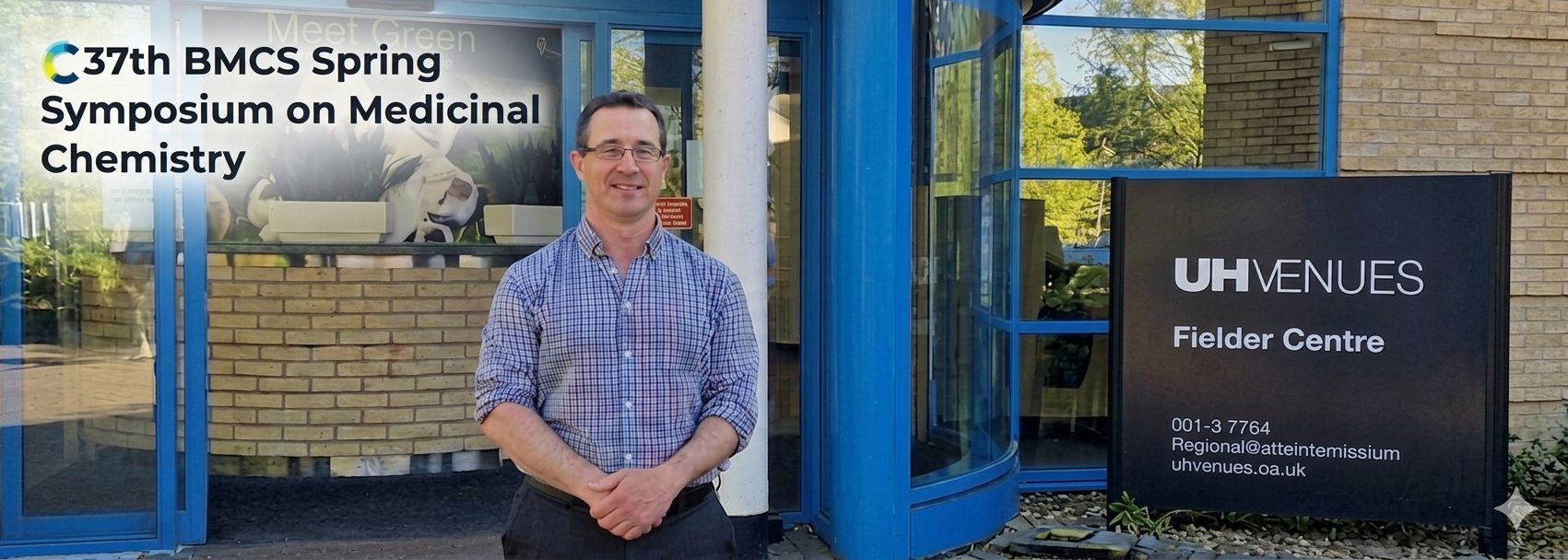
Insights from the BMCS Spring Symposium on Medicinal Chemistry
On Thursday 23rd April 2026, Medicinal Chemistry adviser of Cellestial Health, Lewis Pennicott, attended and contributed to the discussion at the 37th BMCS Spring Symposium on Medicinal Chemistry, the heart of the med chem community. He reports: Fantastic day at the Fielder Centre for the #HatfieldMedChem symposium. Staying at the forefront of these technical advancements…
-

Something Different at BioTrinity
The CEO of Cellestial Health Dr Nat Hastings put the usual polished business pitch aside at the BioUK‘s BioTrinity 2026 to discuss an important topic: Whether there is a scientific and economic rationale for viewing the brain as a collection of neurones and synapses. Decades of research demonstrate that:✦ Brain consists of many essential cell…
-

One Nucleus Awards Gala
Last Thursday 19th of March brought the UK-wide life sciences ecosystem leaders together for a very special occasion of the #ONAwards26 celebration at No.11 Cavendish Square in London. It was a great honour to have the project between Cellestial and The University of Manchester, supported by a Parkinson’s UK grant, recognised as one of the finalist entries in the “Best Industry and…
-
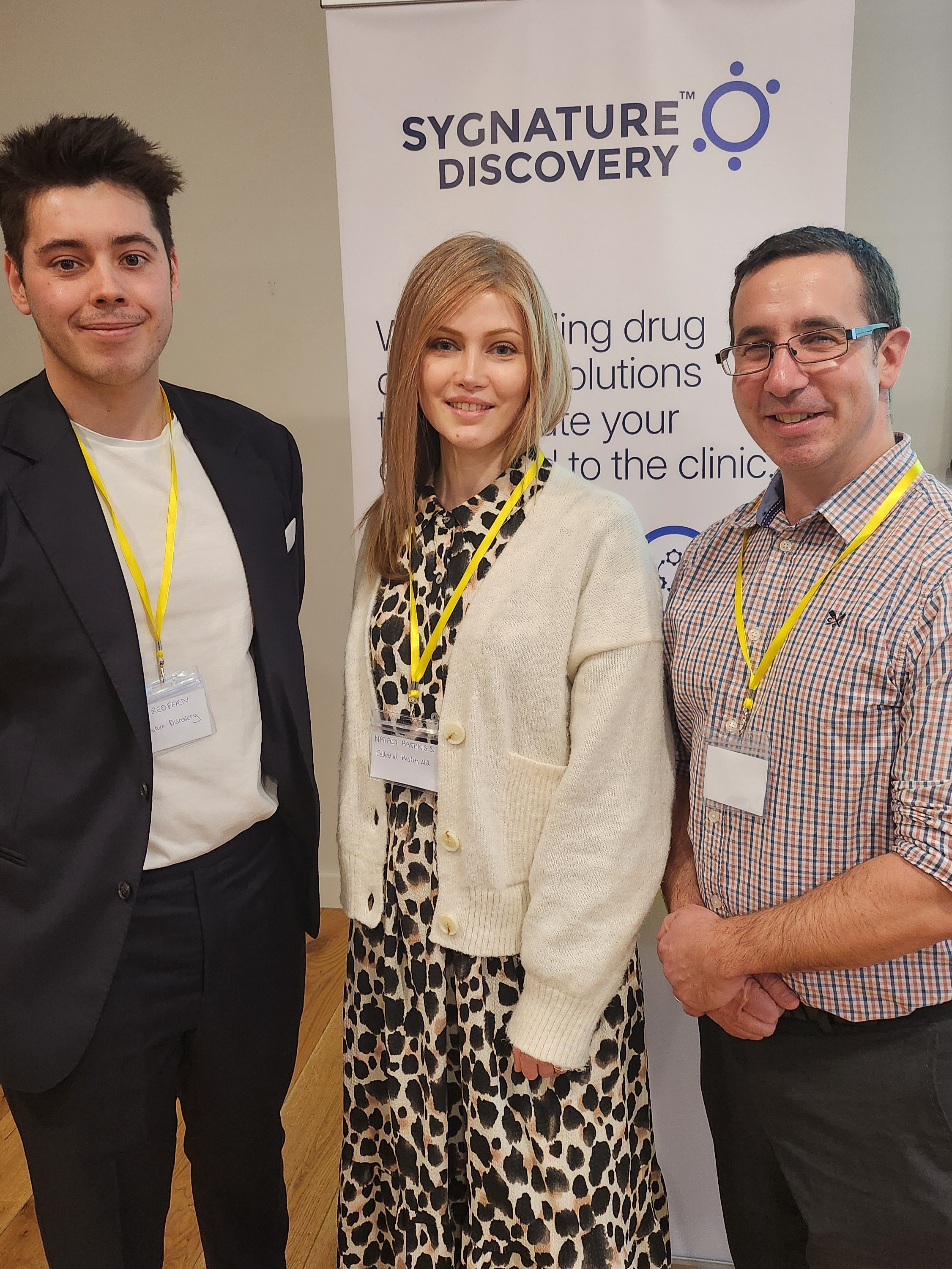
Preparing for Success
On 10th of March at Jesus College Cambridge, Sygnature Discovery held a seminar on 𝘚𝘵𝘰𝘳𝘪𝘦𝘴 𝘰𝘧 𝘋𝘳𝘶𝘨 𝘋𝘪𝘴𝘤𝘰𝘷𝘦𝘳𝘺 𝘚𝘶𝘤𝘤𝘦𝘴𝘴, joined by the Cellestial team Nat Hastings and Lewis Pennicott. Examples of rapid development were discussed where lead optimisation to human trial readiness was complete in only 18 months. Programs that utilise time and resource efficiently…
-
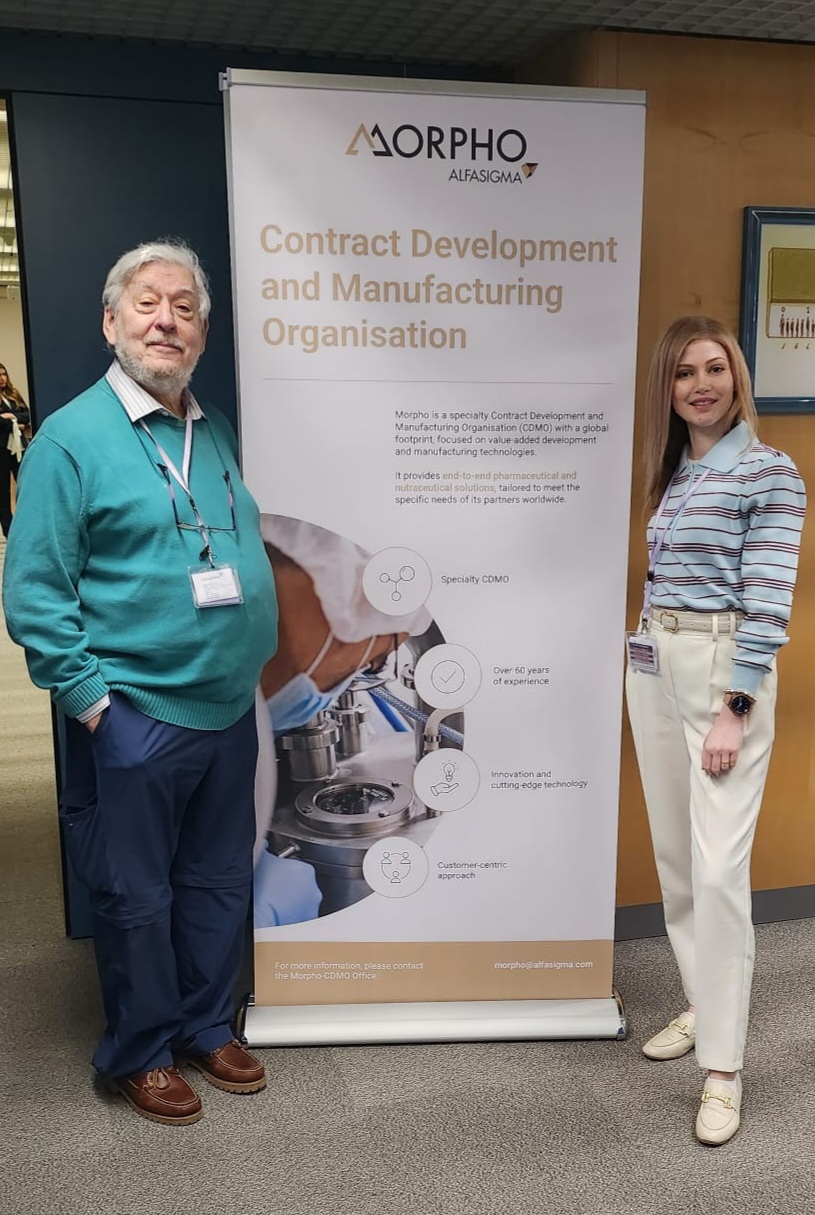
All Roads Lead to Rome: Alfasigma Innovation Day
In late February, Cellestial Health team found themselves at a beautiful Alfasigma CDMO facility in Pomezia last week as part of the Proventa International Innovation Day. When should manufacturing, formulation, and clinical supply be considered in the course of therapeutics development?It became clear that no matter what stage the product is, the answer is “Now”.…
-
Back at it again in Boston
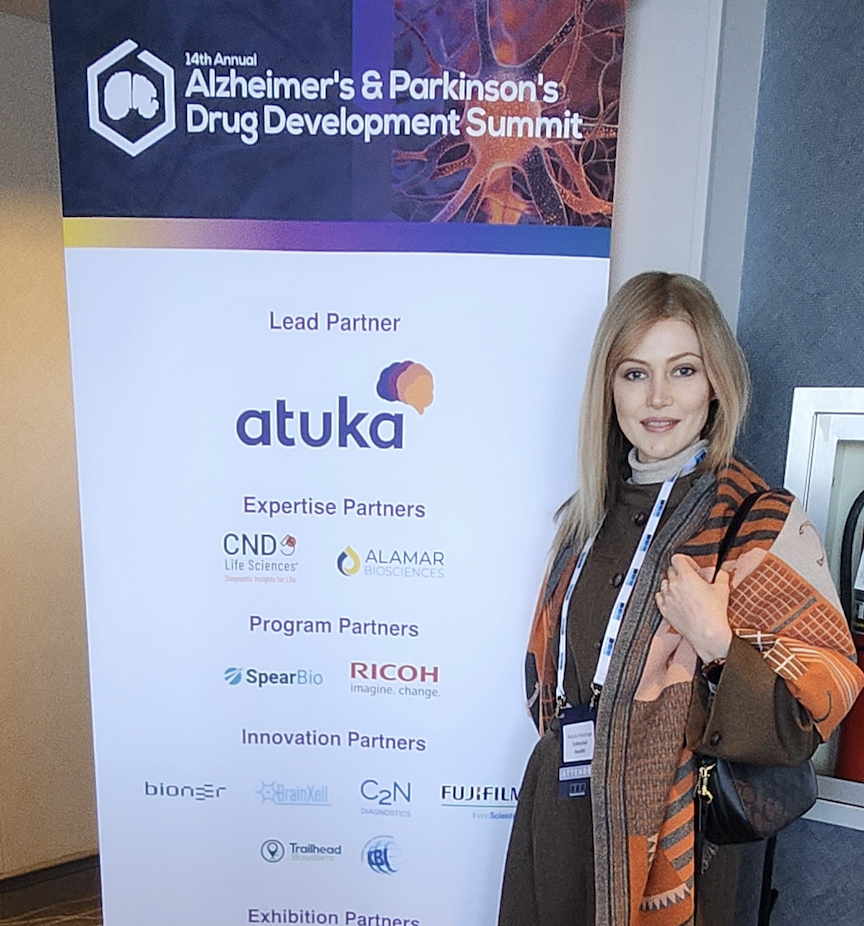
This week, Dr Nat Hastings represented innovative research into astrocyte pathology in Parkinson’s at the 14th Alzheimer’s & Parkinson’s Drug Development Summit on behalf of Cellestial Health at Hyatt Regency Boston Harbor. Astrocytic lineage is one of the most populous cell types in the brain, yet the damage Parkinson’s pathology does to it remains underappreciated.…
-

BMCS and Parkinson’s UK: New Approaches to the Treatment of Parkinson’s
Dr Nat Hastings represented Cellestial Health at the RSC BMCS and Parkinson’s UK “New Approaches to the Treatment of Parkinson’s” conference on Wednesday 12th, alternating between the corporate exhibitor stand, academic poster presenter, and an audience member of the many insightful talks at the majestic Royal Society of Chemistry halls. Here are the highlights of…